
Unlocking the Essentials of Mental Peace: Embracing Mental Peace Techniques

Finding mental peace is a journey that touches every part of our lives. It is not just a fleeting feeling but a deep, lasting state of calm and clarity that helps us navigate challenges with grace. I want to walk with you through this path, sharing insights and practical steps that can help you unlock the essentials of mental peace. Together, we will explore gentle, effective mental peace techniques that nurture your mind and soul, creating a sanctuary of calm within.
Understanding Mental Peace Techniques: Your Path to Inner Calm
Mental peace techniques are tools and practices designed to soothe the mind, reduce stress, and foster emotional balance. These techniques are accessible to everyone, regardless of age or background, and can be tailored to fit your unique lifestyle. When you embrace these methods, you invite a sense of harmony that supports your well-being every day.
Some of the most effective mental peace techniques include:
Mindful breathing: Taking slow, deep breaths to anchor yourself in the present moment.
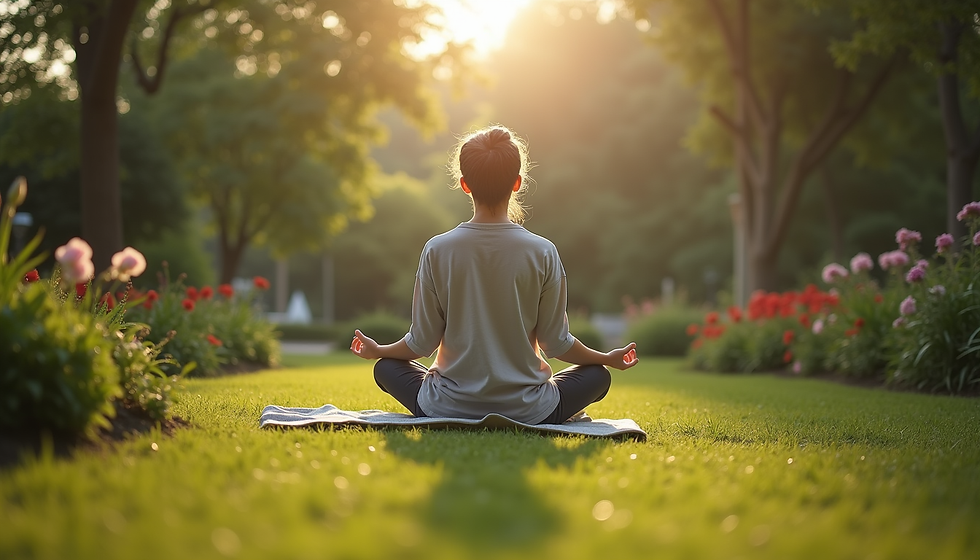
Meditation: Quieting the mind through focused attention or guided imagery.
Journaling: Expressing your thoughts and feelings on paper to gain clarity.
Physical activity: Engaging in gentle exercises like yoga or walking to release tension.
Gratitude practice: Reflecting on positive aspects of your life to shift your mindset.
By incorporating these into your daily routine, you create a foundation for lasting peace. For example, starting your morning with five minutes of mindful breathing can set a calm tone for the day ahead. Or, ending your evening by writing down three things you are grateful for can gently ease your mind before sleep.

How to get peace officer certification in California?
If you are considering a career that involves serving your community with integrity and calm, becoming a certified peace officer in California is a meaningful path. The process involves several important steps that ensure you are well-prepared to handle the responsibilities with confidence and composure.
Here’s a simple breakdown of how to get peace officer certification in California:
Meet Basic Requirements: You must be at least 18 years old, have a high school diploma or GED, and be a U.S. citizen or permanent resident.
Complete a POST-Approved Training Program: The California Commission on Peace Officer Standards and Training (POST) offers various academies where you will learn essential skills, including mental resilience and conflict resolution.
Pass the Written and Physical Exams: These tests assess your knowledge and fitness for the role.
Undergo Background Checks and Interviews: Integrity and character are crucial, so expect thorough screening.
Receive Certification: After successful completion, you will be certified and ready to serve.
This certification process not only equips you with technical skills but also emphasizes mental peace techniques to maintain calmness in high-pressure situations. If you want to explore more about this, you can find detailed resources at essential peace copy california.

Creating a Peaceful Environment: Your Sanctuary at Home
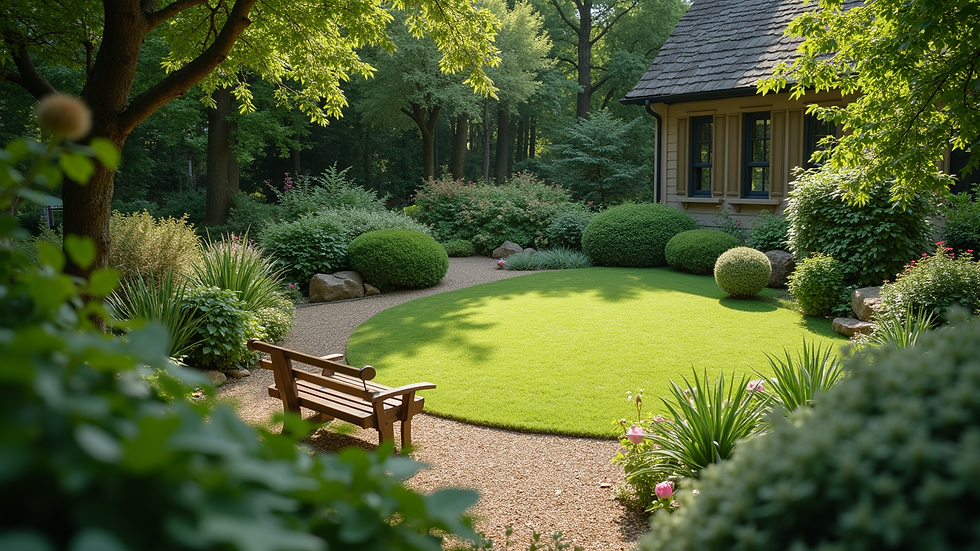
Your surroundings play a powerful role in shaping your mental state. Creating a peaceful environment at home can be a gentle yet profound way to support your mental peace. Think of your space as a sanctuary where you can retreat, recharge, and reconnect with yourself.
Here are some simple ways to cultivate a peaceful home environment:
Declutter regularly: A tidy space reduces distractions and promotes calm.
Use soft, natural lighting: Avoid harsh lights; instead, opt for lamps or candles.
Incorporate nature: Houseplants or fresh flowers bring life and tranquility.
Play soothing sounds: Gentle music or nature sounds can ease your mind.
Designate a quiet corner: Create a small nook for meditation, reading, or reflection.
For example, setting up a cozy corner with cushions, a soft blanket, and a small plant can become your go-to spot for moments of calm. Lighting a scented candle or playing soft instrumental music while you sit there can deepen your sense of peace.
The Role of Relationships in Mental Peace
Our connections with others deeply influence our mental peace. Healthy, supportive relationships can be a source of strength and comfort, while toxic or strained interactions may drain our energy and disrupt our calm.
To nurture peace in your relationships, consider these approaches:
Practice active listening: Give your full attention and show empathy.
Communicate openly and kindly: Share your feelings honestly without blame.
Set healthy boundaries: Protect your energy by saying no when needed.
Spend quality time together: Engage in activities that bring joy and connection.
Seek support when needed: Don’t hesitate to reach out to a therapist or counselor.
Remember, mental peace is not about avoiding conflict but handling it with grace and understanding. When you approach relationships with warmth and respect, you create a safe space for everyone involved.
Embracing Self-Care as a Daily Ritual
Self-care is the heart of mental peace. It is the loving attention you give yourself to nurture your body, mind, and spirit. When you prioritize self-care, you build resilience and create a wellspring of calm that sustains you through life’s ups and downs.
Here are some self-care practices to consider:
Prioritize restful sleep: Aim for 7-9 hours of quality sleep each night.
Eat nourishing foods: Choose meals that fuel your body and mind.
Engage in regular physical activity: Find movement you enjoy, like dancing or swimming.
Take breaks from screens: Unplug to reduce mental clutter.
Practice relaxation techniques: Try progressive muscle relaxation or guided imagery.
For instance, dedicating 10 minutes each day to a calming activity like gentle stretching or listening to your favorite calming music can make a big difference. These small acts of kindness toward yourself accumulate, creating a peaceful inner landscape.
Your Journey Toward Lasting Mental Peace
Unlocking the essentials of mental peace is a beautiful, ongoing journey. It invites you to slow down, listen deeply, and care for yourself with compassion. By embracing mental peace techniques, creating a nurturing environment, fostering healthy relationships, and practicing self-care, you build a life filled with calm and clarity.
Remember, you are not alone on this path. Together, we can cultivate a space where peace flourishes, and your spirit feels free to thrive. If you ever feel overwhelmed, gentle support is always within reach, guiding you back to your center.
May your days be filled with moments of stillness and joy, and may your heart always find its way to essential peace.


Comments