
How to Manage Stress and Use Effective Stress Release Techniques

Stress touches all of us at some point. It can sneak up quietly or hit us hard, making it tough to focus, sleep, or enjoy life. I want to share some simple ways to spot stress early and practical techniques to ease it. These methods can help you feel calmer and more in control, no matter what life throws your way.
Recognizing Stress and Its Impact on You
Stress shows up in many ways. Sometimes it’s physical, like headaches or tight muscles. Other times, it’s emotional, such as feeling overwhelmed, anxious, or irritable. You might notice changes in your sleep, appetite, or energy levels. Recognizing these signs early is the first step to managing stress well.
Think about your daily routine. Are you rushing through tasks without breaks? Do you feel tense or restless often? These are clues that stress might be building up. When you catch these signs, you can take action before stress becomes too much.
Stress affects not just your mind but your body too. It can raise your blood pressure and weaken your immune system. That’s why managing stress is important for your overall health and happiness.
Simple Ways to Manage Stress Every Day
Managing stress doesn’t have to be complicated. Small changes in your daily habits can make a big difference. Here are some easy ways to start:
Take deep breaths: When you feel tense, pause and breathe deeply. Inhale slowly through your nose, hold for a few seconds, then exhale through your mouth. Repeat this a few times to calm your mind.
Move your body: Physical activity helps release tension. A short walk, stretching, or gentle yoga can clear your head and boost your mood.
Connect with others: Talking to a friend or family member can lighten your load. Sharing your feelings helps you feel supported and less alone.
Set small goals: Break big tasks into smaller steps. Celebrate each small win to build confidence and reduce overwhelm.
Limit screen time: Too much time on phones or computers can increase stress. Take breaks and enjoy offline activities like reading or gardening.
Stress Release Techniques That Really Work
When stress feels heavy, certain techniques can help you release it more deeply. These methods are easy to learn and can fit into your day naturally.
Mindfulness and Meditation
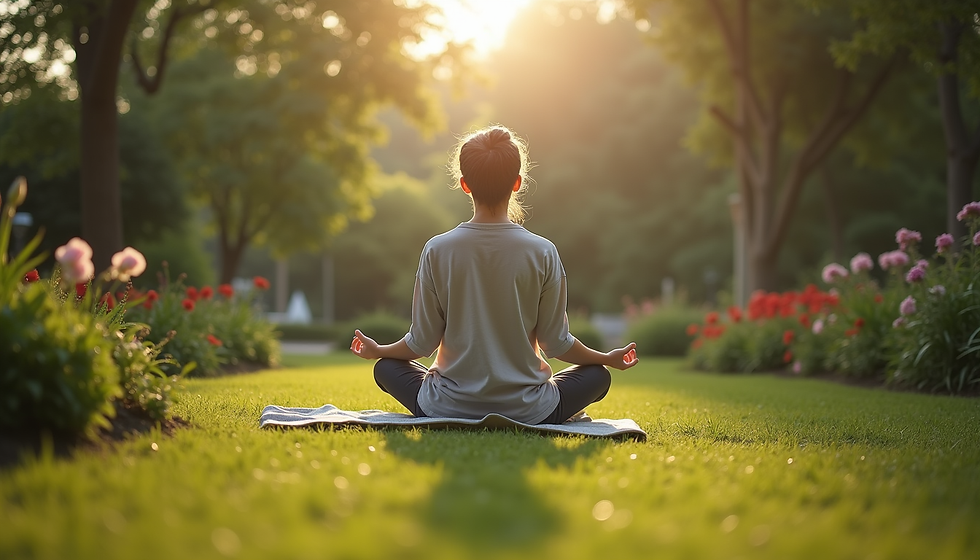
Mindfulness means paying attention to the present moment without judgment. It helps you step back from worries and focus on what’s happening now. Meditation is a way to practice mindfulness by sitting quietly and focusing on your breath or a calming word.
Try this simple meditation: Sit comfortably, close your eyes, and breathe slowly. Notice the rise and fall of your chest. If your mind wanders, gently bring it back to your breath. Even five minutes can refresh your mind.
Progressive Muscle Relaxation
This technique helps you notice and release tension in your body. Starting from your feet, tense each muscle group for a few seconds, then relax it fully. Move upward through your body, ending with your face and neck.
You’ll feel a wave of relaxation as you let go of tightness. This method is great before sleep or after a stressful day.
Journaling Your Thoughts
Writing down your feelings can clear your mind and help you understand your stress better. Try to write without editing yourself. Let your thoughts flow freely on paper. This can bring relief and new insights.
Aromatherapy and Essential Oils
Certain scents can soothe your nerves and lift your mood. Lavender, chamomile, and sandalwood are popular choices. You can use essential oils in a diffuser, add a few drops to a warm bath, or apply diluted oil to your wrists.
Using Supportive Therapy Services
Sometimes, talking to a professional can make a big difference. Therapy offers a safe space to explore your feelings and learn coping skills. For example, Essential Peace of Mind Therapy provides caring support for individuals, couples, and families facing stress and life challenges. Their approach helps build clarity and stronger relationships, guiding you toward personal growth.
You can learn more about their services here: Essential Peace of Mind Therapy.

Comparing Stress Relief Products and Services
If you’re exploring options to manage stress, you might come across different products and services. Here’s a look at two helpful examples that many find useful:
CalmMind Meditation App: This app offers guided meditations, breathing exercises, and sleep stories. It’s easy to use anytime you need a quick mental break. You can find it on app stores and try a free version before subscribing.
Essential Peace of Mind Therapy: This service provides personalized therapy sessions, either in person or online. It focuses on emotional support and practical tools to handle stress and improve relationships.
Both options support stress management but in different ways. The app is great for daily practice and quick relief. Therapy offers deeper, ongoing support tailored to your unique needs.
Choosing what fits your lifestyle and comfort level is key. Sometimes combining both can bring the best results.
Creating Your Personal Stress Management Plan
Managing stress is a personal journey. What works for one person might not suit another. Here’s how you can build your own plan:
Identify your stress triggers: Notice what situations or thoughts increase your stress.
Choose techniques you enjoy: Pick a few stress release methods that feel natural to you.
Set a routine: Make time for these practices regularly, even when you feel okay.
Seek support when needed: Don’t hesitate to reach out to friends, family, or professionals.
Be patient and kind to yourself: Managing stress takes time and practice.
Remember, small steps add up. Each moment you spend caring for your mental health strengthens your peace of mind.

How Families and Couples Can Manage Stress Together
Stress doesn’t just affect individuals. It can ripple through families and relationships. Working together to manage stress can build stronger bonds and create a supportive home.
Here are some ways families and couples can manage stress as a team:
Share feelings openly: Create a safe space where everyone can talk about their worries without judgment.
Plan relaxing activities together: Walks, games, or movie nights can help everyone unwind.
Practice mindfulness as a group: Simple breathing exercises or guided meditations can be calming for all ages.
Set healthy boundaries: Agree on limits for work, screen time, and personal space.
Seek family therapy if needed: Professionals can help improve communication and resolve conflicts.
Essential Peace of Mind Therapy offers family and couples therapy that focuses on building understanding and resilience. Their caring approach helps families navigate stress and grow closer.
Learn more about their family support services here: Essential Peace of Mind Therapy.

Final Thoughts on Managing Stress
Stress is a part of life, but it doesn’t have to control you. By recognizing your stress signs early and using simple, effective techniques, you can find calm and balance. Whether it’s deep breathing, journaling, or seeking therapy, each step you take is a step toward peace.
Remember, you are not alone. Support is available, and taking care of your mental health is a powerful act of self-love. Start small, be consistent, and watch how your life changes for the better.
If you want guidance tailored to your needs, consider reaching out to Essential Peace of Mind Therapy. They are ready to walk with you on your journey to clarity and strength.
Take a deep breath now. You’ve got this.


Comments