
Discover Effective Ways to Attain Peaceful Therapeutic Approaches

Finding peace in our busy, often chaotic lives can sometimes feel like an elusive dream. Yet, peace is not just a distant ideal - it is something we can cultivate and nurture every day. I want to share with you some gentle, effective ways to invite peace into your life. Together, we will explore therapeutic approaches that soothe the mind, calm the heart, and restore balance. Whether you are seeking personal calm or hoping to foster harmony within your relationships, these insights are here to support you on your journey.
Embracing Peaceful Therapeutic Approaches
Peaceful therapeutic approaches are designed to help us reconnect with ourselves and the world around us in a nurturing way. These methods often combine mindfulness, emotional awareness, and compassionate communication to create a safe space for healing and growth.
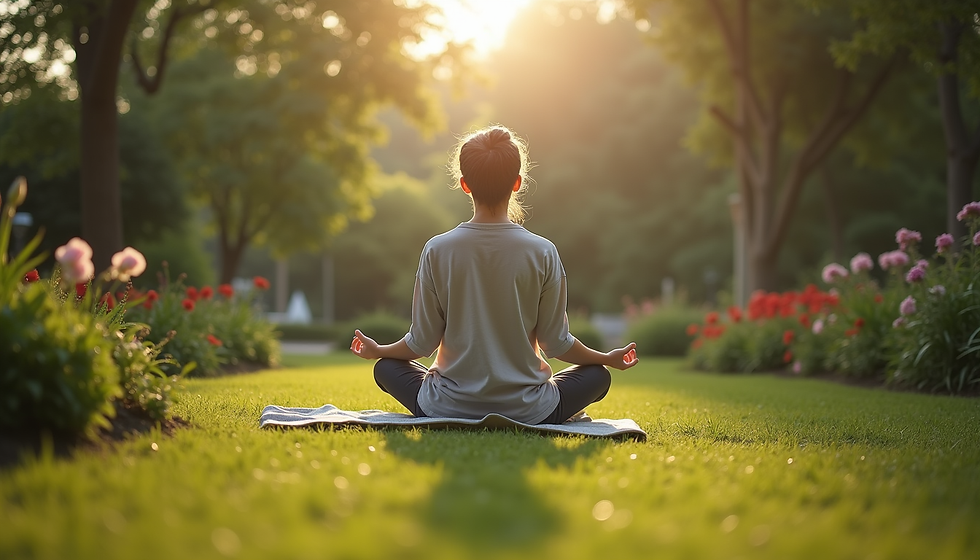
One powerful approach is mindfulness meditation. By simply paying attention to the present moment without judgment, we can reduce stress and increase our sense of calm. For example, setting aside just 10 minutes a day to focus on your breath or the sounds around you can gently anchor your mind and ease anxious thoughts.
Another effective method is expressive therapy, such as art or music therapy. These creative outlets allow us to express feelings that might be difficult to put into words. Imagine painting your emotions or playing an instrument to release tension and discover new insights about yourself.
Cognitive-behavioral therapy (CBT) techniques can also be adapted for daily use. By identifying and gently challenging negative thought patterns, you can shift your mindset toward more positive and peaceful perspectives. For instance, when you notice a self-critical thought, try replacing it with a kind affirmation.
These approaches are not just for individuals; they can be wonderfully supportive for couples and families as well. Practicing active listening and empathy during conversations can deepen connections and reduce conflicts, creating a more peaceful home environment.

Creating a Peaceful Environment at Home
Our surroundings have a profound impact on our inner peace. Creating a peaceful environment at home can be a wonderful way to nurture calmness and well-being for yourself and your loved ones.
Start by decluttering your space. A tidy, organized home can reduce feelings of overwhelm and create a sense of order. Consider donating or storing items you no longer need, and arrange your belongings in a way that feels harmonious.
Incorporate elements of nature, such as plants or natural light, to bring freshness and vitality indoors. The gentle presence of greenery can soothe the mind and improve air quality, contributing to a healthier atmosphere.
Soft lighting, calming colors, and comfortable furniture also play a role in setting a peaceful tone. You might create a special nook for relaxation, reading, or meditation where you can retreat when you need a moment of quiet.
Sound is another important factor. Playing gentle music, nature sounds, or white noise can mask distracting noises and promote relaxation. Encourage family members to respect quiet times, especially during moments of rest or reflection.
By intentionally designing your home as a sanctuary of peace, you invite a daily experience of calm and connection.

Practical Daily Habits to Cultivate Inner Peace
Peace is not just a state we find; it is a practice we build through daily habits. Here are some simple yet powerful routines you can incorporate into your life to nurture ongoing peace:
Start your day with gratitude - Take a few moments each morning to reflect on things you appreciate. This positive focus can set a gentle tone for the day ahead.
Practice deep breathing - Whenever you feel stressed or overwhelmed, pause and take slow, deep breaths. This activates your body’s relaxation response and helps clear your mind.
Limit screen time - Reducing exposure to news and social media can prevent information overload and negative emotions. Set boundaries for your digital use to protect your mental space.
Engage in physical activity - Movement, whether it’s a walk, yoga, or dancing, releases endorphins that boost mood and reduce tension.
Connect with loved ones - Meaningful conversations and shared moments with family or friends foster a sense of belonging and support.
Set healthy boundaries - Learn to say no when needed and prioritize your well-being. Respecting your limits is a key step toward peace.
End your day with reflection - Spend a few minutes journaling or meditating on your experiences, focusing on what went well and what you can release.
By weaving these habits into your routine, you create a foundation of peace that supports you through life’s ups and downs.
The Role of Compassion in Achieving Peace
Compassion is a gentle yet powerful force that can transform our relationships and our inner world. When we approach ourselves and others with kindness and understanding, we open the door to healing and peace.
Start by practicing self-compassion. Life can be challenging, and it’s natural to make mistakes or feel uncertain. Instead of harsh self-criticism, try speaking to yourself as you would to a dear friend. Acknowledge your efforts and offer encouragement.
Extending compassion to others helps dissolve barriers and build trust. When conflicts arise, try to listen deeply and seek to understand the other person’s perspective. This does not mean you have to agree, but it creates space for respectful dialogue and resolution.
In families, teaching children compassion through example and gentle guidance fosters emotional intelligence and peaceful interactions. Simple acts like sharing, apologizing, and expressing gratitude can nurture a culture of kindness.
Remember, compassion is a practice that grows stronger with intention and patience. It is a cornerstone of peaceful living that enriches every aspect of our lives.
Your Journey Toward Lasting Peace
Peace is a beautiful, ongoing journey that invites us to slow down, listen, and care deeply for ourselves and those around us. By embracing peaceful therapeutic approaches, creating nurturing environments, and cultivating daily habits of mindfulness and compassion, you can experience a profound sense of calm and clarity.
If you ever feel uncertain about where to begin or how to deepen your practice, know that support is available. Exploring resources like essential peace copy california can connect you with caring professionals who understand your unique path.
Together, let’s walk this path with open hearts and gentle steps, welcoming peace into every moment of our lives.


Comments